
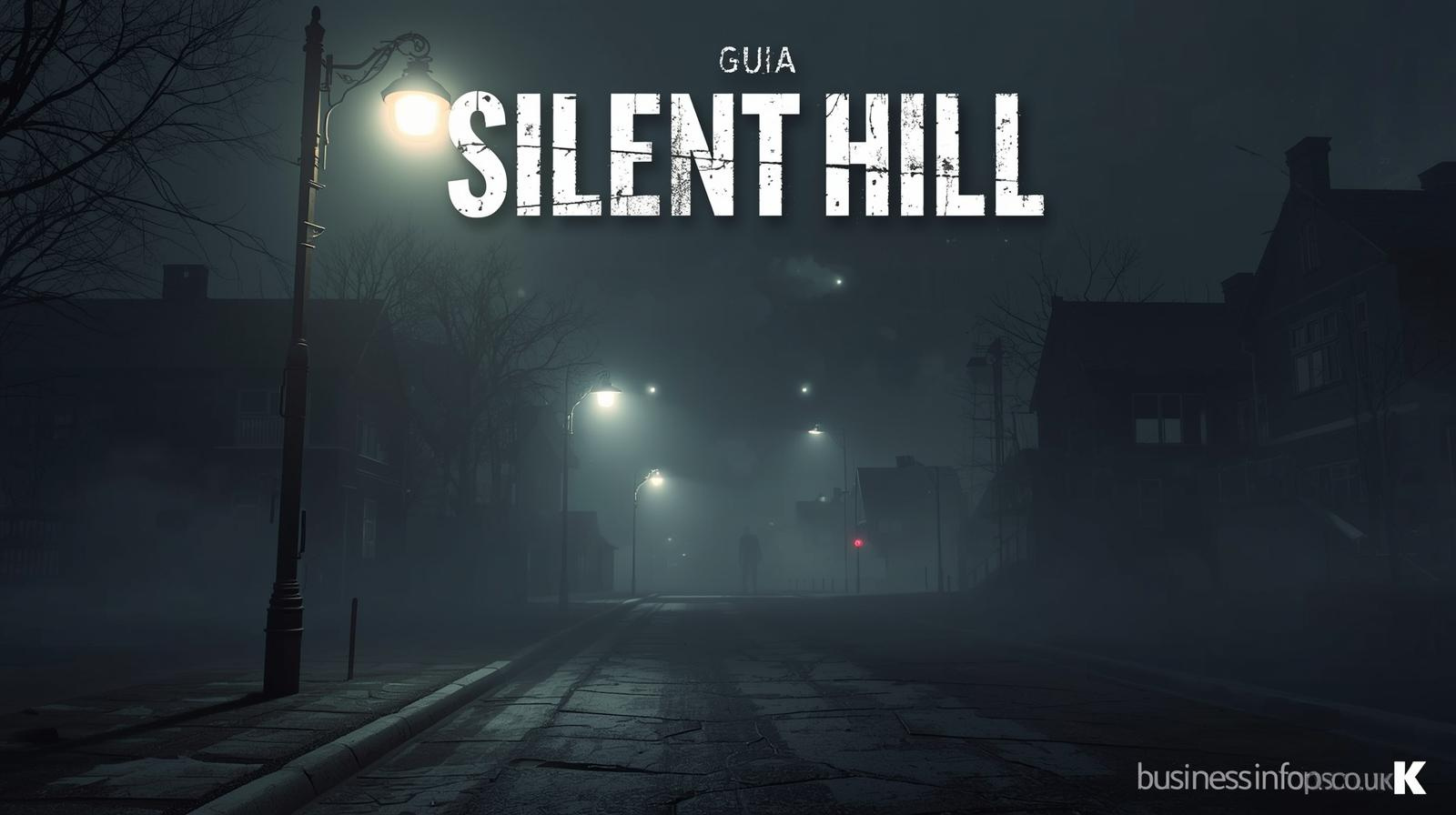
Guia Silent Hill Geekzilla has become a widely searched phrase among survival horror fans who want deeper insight into the Silent Hill universe. The term combines “guia,” meaning guide, with Silent Hill and the name Geekzilla, a brand commonly associated with gaming and geek culture content. In essence, Guia Silent Hill Geekzilla represents a comprehensive walkthrough and analysis resource designed to help players fully understand the gameplay mechanics, psychological themes, puzzles, endings, and lore of the Silent Hill franchise. It is not an official Konami publication, but rather a detailed fan-driven or editorial-style guide that compiles knowledge from years of gameplay experience and community discussion.
The reason this guide has gained traction is simple: Silent Hill is not a straightforward horror game series. Unlike action-heavy franchises, Silent Hill emphasizes atmosphere, symbolism, and layered storytelling. Many players find themselves confused by puzzle complexity, hidden narrative clues, or multiple ending conditions. A structured and in-depth guide such as Guia Silent Hill Geekzilla bridges that gap. It offers both practical survival strategies and thoughtful lore explanations, making it valuable for newcomers and veteran players alike.
The Evolution of Silent Hill as a Psychological Horror Franchise
To fully appreciate the importance of Guia Silent Hill Geekzilla, it is necessary to understand the legacy of Silent Hill itself. Originally released in 1999 by Konami for the PlayStation, Silent Hill quickly distinguished itself from other horror games of its era. While franchises like Resident Evil focused on action and biological horror, Silent Hill leaned into psychological fear, emotional trauma, and symbolic storytelling. The fog-covered town became a metaphor for suppressed guilt, unresolved grief, and internal conflict.
Over the years, the series expanded with titles such as Silent Hill 2, Silent Hill 3, and later installments that explored different characters and psychological journeys. Silent Hill 2, in particular, is often praised as one of the greatest horror games ever made due to its complex narrative and moral ambiguity. The franchise also inspired films, novels, and renewed interest through modern remakes. As the series evolved, so did the demand for comprehensive walkthroughs and lore explanations. Guia Silent Hill Geekzilla responds to that demand by contextualizing gameplay within the broader historical and thematic evolution of the series.
Gameplay Mechanics and Survival Horror Strategy
Silent Hill’s gameplay is intentionally designed to create vulnerability. Combat is limited, resources are scarce, and the control system in earlier entries adds to the tension. Guia Silent Hill Geekzilla typically emphasizes resource management as a core survival principle. Ammunition, healing items, and key objects must be used strategically rather than impulsively. Players who attempt to fight every enemy often find themselves underprepared for major confrontations later in the game.
The guide also addresses exploration techniques. Silent Hill rewards careful observation of the environment. Maps are essential tools, but they only become useful when players actively mark doors, locked pathways, and discovered items. Sound design is another major gameplay mechanic. The radio static that intensifies near enemies is not merely atmospheric; it is a survival indicator. By explaining these mechanics clearly and in detail, Guia Silent Hill Geekzilla enhances player awareness and reduces frustration while preserving the intended tension.
Puzzle Design and Cognitive Challenges in Silent Hill
One of the most discussed aspects of Silent Hill is its puzzle design. Unlike typical adventure game puzzles that rely on obvious logic patterns, Silent Hill puzzles often incorporate literature, symbolism, and abstract thinking. Difficulty levels sometimes even affect puzzle complexity, meaning that solutions are not always universal. Guia Silent Hill Geekzilla provides contextual explanations that go beyond simply stating answers. It explains why a puzzle works the way it does and how clues are embedded within environmental storytelling.
For example, many puzzles reference poems, historical notes, or cryptic riddles found within documents scattered throughout the town. These clues are intentionally subtle. Without guidance, players may overlook essential details or misinterpret symbolic hints. A comprehensive guide helps players understand puzzle logic while maintaining immersion. Instead of stripping away mystery, it clarifies patterns and thematic relevance, reinforcing the idea that Silent Hill’s puzzles are extensions of character psychology rather than isolated obstacles.
Character Psychology and Narrative Depth
The heart of Silent Hill lies in its characters. Protagonists such as Harry Mason, James Sunderland, and Heather Mason are not traditional heroes. They are flawed individuals confronting personal trauma. Guia Silent Hill Geekzilla often dedicates detailed analysis to character motivations, backstories, and emotional arcs. Understanding these elements transforms the experience from simple horror gameplay into a psychological study.
James Sunderland’s journey in Silent Hill 2, for instance, revolves around grief, denial, and guilt. The town manifests creatures and environments shaped by his subconscious. Pyramid Head, one of the franchise’s most iconic figures, is widely interpreted as a symbol of punishment and repressed truth. By exploring these interpretations, the guide encourages players to see the monsters not just as enemies but as narrative devices. This layered storytelling approach is why Silent Hill remains relevant decades after its initial release.
Symbolism, Atmosphere, and Environmental Storytelling
Silent Hill’s atmosphere is crafted through fog, darkness, industrial soundscapes, and unsettling architecture. Guia Silent Hill Geekzilla typically highlights how environmental storytelling contributes to emotional immersion. The town shifts between its normal state and the disturbing “Otherworld,” representing psychological breakdowns or revelations. Rusted metal, decaying walls, and distorted spaces are visual metaphors for inner turmoil.
The use of silence is equally powerful. Moments without music heighten tension, while composer Akira Yamaoka’s haunting soundtrack reinforces melancholy and dread. Every hallway, abandoned hospital room, or fog-covered street serves a narrative function. The guide often explains how these design choices align with character arcs and thematic focus. By recognizing these artistic decisions, players gain a richer understanding of how Silent Hill uses environment as a storytelling instrument rather than mere scenery.
Multiple Endings and Player Agency
A defining feature of Silent Hill games is the presence of multiple endings. Player behavior influences outcomes, sometimes in subtle ways. Healing frequency, exploration habits, item examination, and interaction choices can all determine the final narrative resolution. Guia Silent Hill Geekzilla frequently explores how these systems work without undermining the emotional impact of discovery.
This mechanic increases replay value and deepens engagement. Instead of presenting a single moral conclusion, Silent Hill allows players to shape the protagonist’s fate. Some endings offer redemption, while others reinforce tragedy or ambiguity. Understanding these branching possibilities adds complexity to the overall experience. The guide’s role is to clarify how actions translate into consequences, helping players pursue different narrative paths intentionally while still appreciating the psychological weight behind each outcome.
The Cultural Impact of Silent Hill and Ongoing Relevance
Silent Hill’s influence extends beyond gaming. The franchise has shaped psychological horror storytelling in interactive media and inspired countless developers. Its cinematic adaptations introduced the town’s imagery to broader audiences, while modern remakes have revived interest among younger players. As new entries and reinterpretations continue to emerge, demand for structured guidance remains strong.
Guia Silent Hill Geekzilla reflects this ongoing relevance. It serves as both a practical walkthrough and a cultural commentary resource. By combining gameplay advice, thematic interpretation, and historical context, it supports players seeking a deeper connection to the franchise. The continued search interest surrounding this keyword demonstrates that Silent Hill is not merely a nostalgic property but a living horror legacy. Comprehensive guides ensure that new generations can navigate its fog-filled streets with clarity while still experiencing the psychological intensity that defines the series.
In conclusion, Guia Silent Hill Geekzilla stands as a valuable companion for anyone exploring the Silent Hill universe. It addresses survival strategy, puzzle solutions, narrative symbolism, and multiple endings within a coherent and detailed framework. By blending expertise with accessible language, it helps players move beyond surface-level horror and engage with the franchise’s profound emotional and psychological themes.
Read More :Why Use Uhoebeans Software in Business Growth
Conclusio
In the world of psychological survival horror, Silent Hill remains a timeless masterpiece defined by emotional storytelling, symbolic depth, and immersive atmosphere. Guia Silent Hill Geekzilla enhances that experience by providing structured guidance, thoughtful interpretation, and practical gameplay advice. Whether you are solving challenging puzzles, aiming for different endings, or analyzing character psychology, this guide helps you experience the franchise on a deeper level. For anyone seeking clarity within the fog and meaning behind the horror, Guia Silent Hill Geekzilla serves as a reliable and insightful companion.

Leave a Reply