
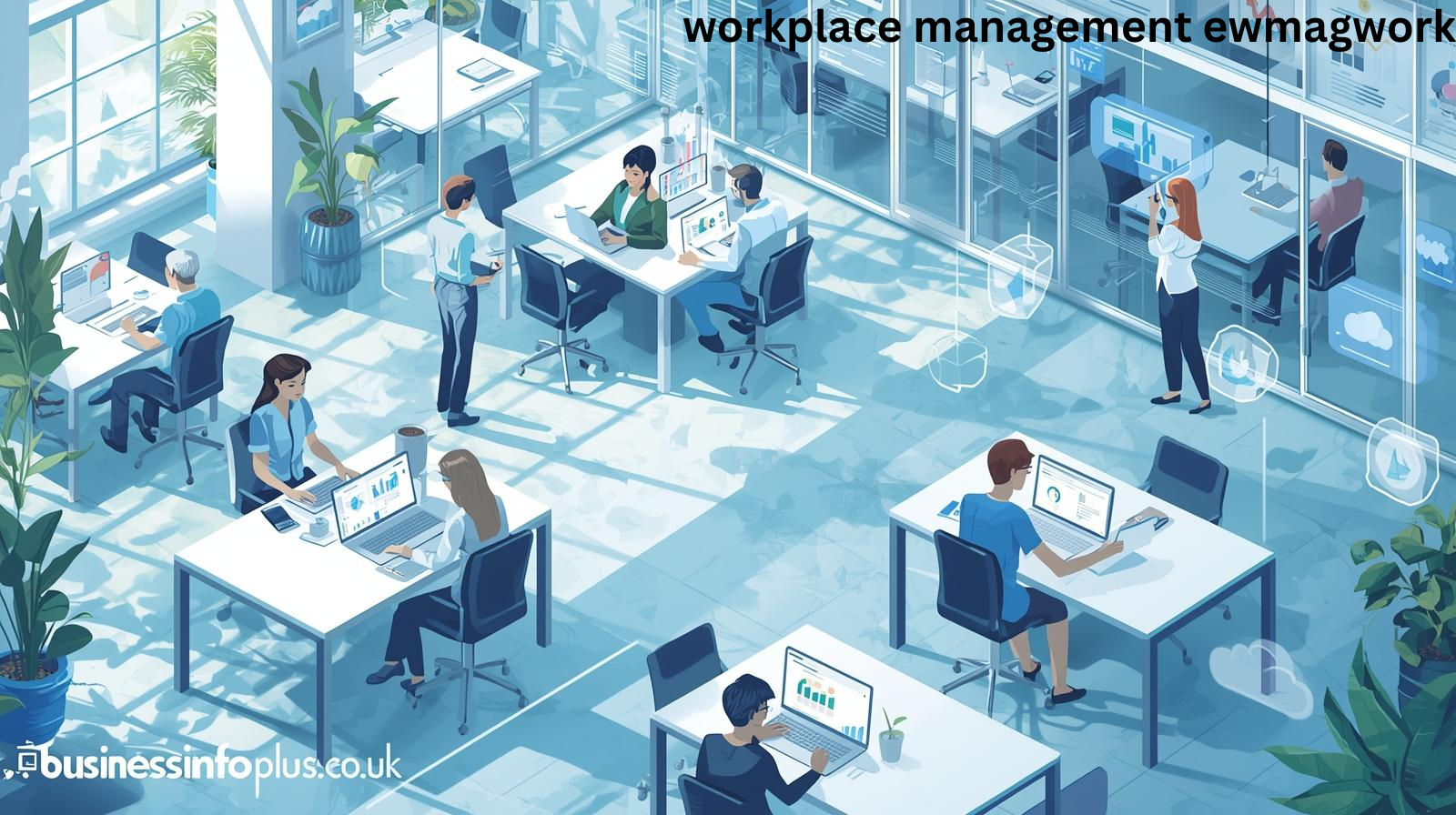
Workplace management ewmagwork represents a modern and strategic approach to organizing, optimizing, and leading work environments in today’s fast-changing business world. As companies adapt to hybrid work models, digital transformation, and evolving employee expectations, workplace management has become far more than simply overseeing office spaces. It now involves aligning people, technology, processes, and culture into a cohesive system that supports productivity, employee engagement, and long-term business growth. The ewmagwork concept focuses on building adaptable, people-centered, and data-driven workplaces that are prepared for continuous change.
At its core, workplace management ewmagwork integrates traditional management fundamentals with innovative workplace strategies. It emphasizes flexibility, operational efficiency, collaboration tools, and leadership development. In a competitive global economy, organizations can no longer rely solely on rigid structures and outdated systems. Instead, they must create intelligent workplaces that encourage innovation, ensure smooth workflows, and support employee well-being. This shift reflects broader trends in human resource management, organizational development, and corporate strategy.
Understanding workplace management ewmagwork requires exploring how it connects facility management, employee experience, digital workplace solutions, and performance optimization. The framework recognizes that physical office design, remote work technology, and leadership style all influence productivity. When these elements are aligned, businesses experience stronger engagement, improved retention, and sustainable operational performance.
The Evolution of Modern Workplace Management
Workplace management has undergone significant transformation over the past several decades. Historically, organizations operated under hierarchical systems where control and supervision were the primary focus. Managers monitored attendance, assigned tasks, and enforced policies with little attention to employee satisfaction or innovation. While this approach supported industrial-era production, it lacked flexibility and often discouraged creativity.
As knowledge-based industries expanded, businesses began adopting more collaborative management models. The rise of project-based work, agile methodologies, and cross-functional teams shifted focus toward adaptability and communication. Workplace management ewmagwork builds on these developments by combining agile thinking with structured operational oversight. It acknowledges that modern workplaces must respond quickly to market changes, technological advancements, and workforce diversity.
The global shift toward remote and hybrid work accelerated this evolution. Digital communication platforms, cloud-based systems, and virtual collaboration tools became essential components of workplace infrastructure. Organizations realized that effective workplace management is no longer limited to physical offices. Instead, it includes virtual environments, cybersecurity measures, digital workflows, and performance tracking systems that function seamlessly regardless of location.
Core Principles of Workplace Management EWMagWork
The foundation of workplace management ewmagwork rests on several guiding principles that shape its practical implementation. One major principle is people-centered leadership. This approach prioritizes employee empowerment, transparent communication, and psychological safety. Research in organizational psychology consistently shows that employees perform better when they feel trusted, valued, and supported. Leaders within the ewmagwork framework focus on coaching, mentoring, and facilitating collaboration rather than micromanaging.
Another central principle is operational agility. Modern businesses operate in dynamic markets where change is constant. Workplace management ewmagwork encourages flexible workflows, rapid decision-making, and iterative improvement. Agile project management techniques, performance analytics, and feedback loops enable organizations to adapt quickly without sacrificing stability. This adaptability strengthens resilience during economic uncertainty or industry disruption.
Data-driven decision-making also plays a critical role. Workplace analytics tools help measure employee engagement, space utilization, productivity trends, and resource allocation. By analyzing real-time data, organizations can identify inefficiencies, adjust staffing strategies, and improve workplace design. This evidence-based approach reduces guesswork and supports long-term strategic planning.
Technology Integration in the Digital Workplace
Technology is a core driver of workplace management ewmagwork. Modern workplaces rely on integrated digital systems to support communication, project coordination, and information sharing. Tools such as enterprise collaboration platforms, cloud storage systems, and workflow automation software create streamlined processes that minimize delays and errors. These digital workplace solutions enable employees to work efficiently from both office and remote environments.
Automation has also become a significant component of effective workplace management. Repetitive administrative tasks can be automated, allowing employees to focus on higher-value activities that require creativity and strategic thinking. Automated scheduling, digital document management, and AI-powered analytics reduce operational burdens while improving accuracy. This shift increases overall productivity and enhances employee satisfaction.
Cybersecurity and data protection are equally important within the ewmagwork model. As organizations expand digital infrastructure, safeguarding sensitive information becomes essential. Secure access systems, encrypted communication channels, and regular compliance audits protect both company assets and employee data. Integrating security measures into workplace management ensures trust and reliability across digital operations.
Designing Flexible and Productive Work Environments
Physical workspace design remains a critical factor in workplace management ewmagwork. Even in hybrid models, office environments influence collaboration, creativity, and team dynamics. Modern office layouts often emphasize open spaces, collaborative zones, and quiet focus areas to accommodate different work styles. Ergonomic furniture, natural lighting, and sustainable materials contribute to employee well-being and comfort.
Flexible workspace strategies allow employees to choose environments that suit their tasks. Activity-based working models, shared desk systems, and meeting pods support collaboration while reducing unused space. Organizations using smart occupancy sensors and digital booking systems can analyze how office space is utilized and adjust layouts accordingly. This improves cost efficiency and aligns physical resources with business needs.
Sustainability has become another important element of workplace design. Energy-efficient lighting, environmentally friendly building materials, and waste reduction initiatives reflect corporate social responsibility. Sustainable workplaces not only reduce environmental impact but also enhance employer branding and employee pride. Workplace management ewmagwork incorporates these environmental considerations into long-term facility planning.
Employee Engagement and Organizational Culture
Employee engagement is one of the most significant drivers of workplace success. Workplace management ewmagwork emphasizes creating a positive organizational culture built on transparency, inclusion, and recognition. Engaged employees demonstrate higher productivity, stronger commitment, and lower turnover rates. Building engagement requires consistent communication, clear performance expectations, and opportunities for professional growth.
Leadership plays a defining role in shaping workplace culture. Managers who encourage open dialogue, respect diverse perspectives, and support work-life balance foster trust within teams. Regular performance feedback and recognition programs reinforce a culture of appreciation. When employees feel acknowledged for their contributions, they are more motivated to deliver high-quality results.
Diversity, equity, and inclusion initiatives also strengthen workplace management efforts. Inclusive policies ensure equal opportunities and fair treatment across all employee groups. Cultural awareness training and equitable hiring practices contribute to a respectful and innovative work environment. Organizations that prioritize inclusivity often experience stronger collaboration and broader problem-solving capabilities.
Workflow Optimization and Operational Efficiency
Streamlined workflows are essential for maintaining productivity in complex organizations. Workplace management ewmagwork encourages mapping and evaluating existing processes to identify bottlenecks and inefficiencies. Clear task ownership, standardized procedures, and collaborative tools ensure smoother transitions between departments and reduce duplication of work.
Continuous improvement methodologies support operational efficiency. Organizations regularly review performance metrics, employee feedback, and workflow outcomes to refine processes. This proactive approach prevents stagnation and ensures systems evolve alongside business demands. Process optimization reduces operational costs while enhancing output quality.
Resource allocation is another critical component of efficiency. Effective workplace management ensures that employees, technology, and physical assets are utilized strategically. Balanced workload distribution prevents burnout and improves team morale. When resources align with strategic goals, organizations experience stronger financial performance and sustainable growth.
Leadership Development and Change Management
Strong leadership is fundamental to implementing workplace management ewmagwork successfully. Leaders must adapt to evolving work models and guide teams through transformation with clarity and confidence. Training programs focused on communication skills, emotional intelligence, and strategic thinking equip managers to navigate change effectively.
Change management strategies are essential during workplace transitions. Whether introducing new technology, restructuring teams, or shifting to hybrid work, organizations must communicate clearly and involve employees in the process. Transparent updates and structured training sessions reduce resistance and foster acceptance of new systems.
Empowering employees to take ownership of improvements further strengthens implementation. When staff members feel involved in shaping workplace strategies, they become advocates rather than critics. This collaborative approach builds trust and accelerates successful adoption of ewmagwork principles.
Measuring Success and Future Trends in Workplace Management
Evaluating the success of workplace management ewmagwork requires consistent performance measurement. Key indicators often include employee satisfaction scores, productivity metrics, retention rates, and operational efficiency data. Regular assessments provide insight into what is working and where adjustments are needed. Transparent reporting enhances accountability and strategic alignment.
Looking ahead, workplace management will continue evolving alongside emerging technologies and societal changes. Artificial intelligence, advanced analytics, and immersive collaboration tools are likely to shape future work environments. Organizations that remain adaptable and open to innovation will maintain competitive advantages in rapidly changing markets.
Ultimately, workplace management ewmagwork represents a comprehensive and forward-thinking strategy for managing people, processes, and spaces in harmony. By prioritizing flexibility, technology integration, employee well-being, and data-driven decisions, businesses can create resilient and high-performing workplaces. As the future of work continues to transform, organizations that embrace this holistic management model will be well-positioned for sustainable success.
Read Mire:Vivid2201 Game: Complete Guide, Features, Gameplay, and Online Buzz
Conclusion:
Workplace management ewmagwork is more than a management trend; it is a strategic framework designed for the realities of modern business. By combining people-centered leadership, digital workplace technology, workflow optimization, and data-driven decision-making, organizations can create flexible and resilient work environments. As hybrid work, automation, and evolving employee expectations continue to shape the future of work, adopting a structured yet adaptable workplace management approach ensures sustainable growth, higher engagement, and long-term operational success.

Leave a Reply