
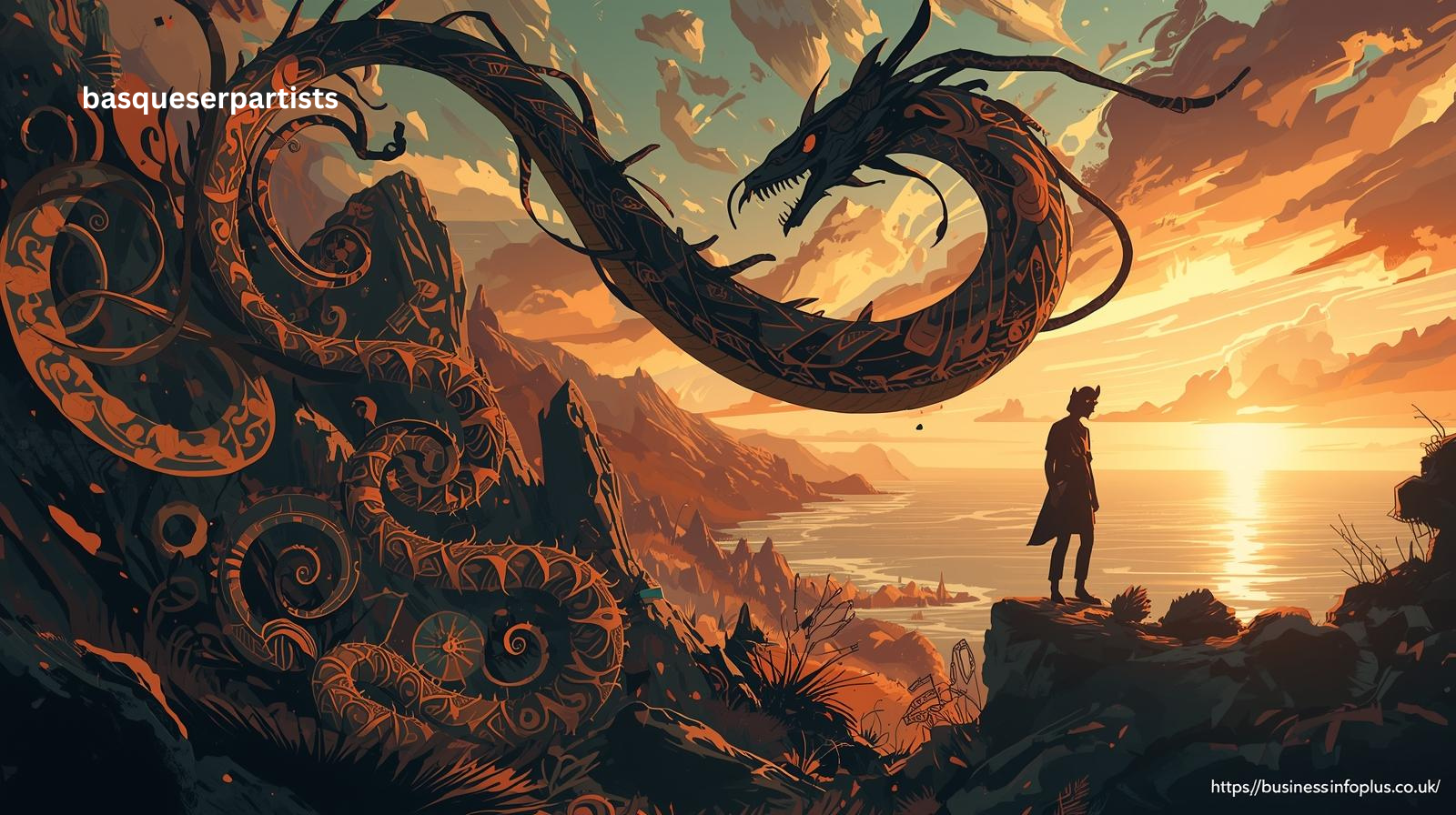
The term basqueserpartists refers to a unique artistic and cultural concept connected to the Basque region of Europe. It combines the idea of Basque cultural identity with serpent-inspired symbolism used in artistic expression. In simple terms, basqueserpartists are creators who express Basque heritage through art, mythology, and symbolism, often using serpentine shapes or imagery to represent transformation, wisdom, and cultural continuity.
The concept is relatively modern but deeply connected to the historical and cultural roots of the Basque people. Artists associated with this idea often work across multiple creative fields such as painting, sculpture, digital media, performance art, music, and storytelling. Their work reflects the resilience of Basque culture and its ability to adapt to modern creative environments while maintaining traditional symbolism and themes.
Unlike many conventional art movements that follow strict rules, basqueserpartists emphasize creative freedom and fluid identity. Their works may combine ancient mythology with modern artistic techniques, producing pieces that feel both historic and contemporary. Through this approach, artists keep the cultural spirit of the Basque region alive while engaging audiences around the world.
Table of Contents
ToggleHistorical Roots of the Basque Cultural Identity
To understand the emergence of basqueserpartists, it is important to first explore the cultural background of the Basque people. The Basques live primarily in a region known as the Basque Country, located between northern Spain and southwestern France along the Bay of Biscay. They are considered one of Europe’s oldest cultural groups, with traditions and language that predate many other civilizations in the region.
One of the most remarkable aspects of Basque identity is their language, Euskara, which is not related to any other known language in the world. This linguistic uniqueness has played a major role in preserving the cultural independence of the Basque people. For centuries, language, folklore, and community traditions have served as tools for maintaining identity and passing knowledge from one generation to the next.
Throughout history, the Basque region has experienced political and cultural pressures from surrounding nations. During certain periods, especially under authoritarian regimes in Spain, Basque language and traditions were restricted or suppressed. As a result, artists and writers began using creative expression to preserve their culture, turning art into a powerful medium for identity and resilience.
The Transformation from Political Struggle to Cultural Expression
During the twentieth century, the Basque region experienced significant political tension and social change. Many Basques sought greater autonomy or independence, which led to cultural and political movements aimed at protecting their identity. While some groups pursued political activism, many artists chose a different path by expressing their ideas through creative works.
This shift from direct political resistance to artistic expression helped shape the philosophy behind basqueserpartists. Artists began creating murals, sculptures, poetry, and performances that symbolized cultural pride and historical memory. Instead of promoting conflict, their work encouraged reflection, dialogue, and cultural understanding.
Over time, artistic expression became a peaceful way to preserve traditions while communicating complex social experiences. The basqueserpartists movement therefore reflects a transformation in how cultural identity is expressed. Rather than relying on political struggle, artists began celebrating heritage through creativity, symbolism, and storytelling.
The Symbolic Role of Serpents in Basque Mythology
One of the most distinctive features of basqueserpartists art is the use of serpent imagery. In many cultures, serpents are associated with danger or evil, but in Basque mythology they often represent wisdom, transformation, and natural balance. This symbolism makes the serpent a powerful visual element for artists exploring cultural evolution and renewal.
Basque mythology includes legendary serpent-like creatures such as Sugaar and Herensuge, which appear in ancient stories about nature, storms, and cosmic forces. These mythological beings were often linked to cycles of transformation and spiritual power. Their presence in folklore made them ideal symbols for artistic expression connected to change and cultural continuity.
Basqueserpartists frequently incorporate serpentine shapes, spirals, and flowing patterns into their artworks. These designs can appear in paintings, sculptures, architecture, tattoos, and digital art. By using serpent symbolism, artists visually communicate ideas about renewal, identity, and the ongoing evolution of their culture.
Artistic Styles and Creative Techniques
Basqueserpartists are known for their experimental and diverse artistic styles. Rather than limiting themselves to a single medium, many artists explore multiple forms of expression, including sculpture, mural painting, installation art, performance, and digital design. This openness to experimentation allows them to reinterpret traditional ideas in innovative ways.
A common characteristic of their work is the blending of traditional materials with modern technology. Artists may combine natural materials such as wood, stone, wool, or metal with digital tools like projection mapping, augmented reality, and generative design. This contrast between old and new reflects the broader theme of balancing heritage with modernization.
Visual complexity is another hallmark of basqueserpartists art. Many works feature layered textures, symbolic imagery, and abstract patterns that encourage viewers to interpret meaning in different ways. These artistic techniques create immersive experiences that go beyond simple visual aesthetics and invite audiences to engage with cultural narratives.
Cultural Symbols and Themes in Basqueserpartists Art
Beyond serpents, basqueserpartists incorporate a variety of cultural symbols into their work. Elements from Basque folklore, traditional architecture, and natural landscapes often appear in artistic compositions. Mountains, oceans, forests, and rural farmhouses are common motifs reflecting the deep relationship between Basque communities and their environment.
Traditional symbols such as the lauburu, a four-armed cross associated with Basque identity, frequently appear alongside mythological imagery. These elements represent continuity between past traditions and modern creative expression. When combined with abstract forms or digital techniques, they create visual stories that highlight the richness of Basque culture.
Language also plays an important role in these artworks. Many artists incorporate Euskara text, spoken word, or typography into their pieces. By including their unique language in artistic expression, basqueserpartists help preserve linguistic heritage while introducing it to new audiences around the world.
The Influence of Basqueserpartists on Modern Art
The ideas behind basqueserpartists have gradually gained attention in contemporary art discussions. Their approach to blending folklore, activism, and modern aesthetics has influenced artists interested in cultural storytelling and regional identity. By combining mythology with experimental techniques, they challenge traditional boundaries between historical and contemporary art.
Museums and galleries in Spain and France have increasingly showcased works inspired by Basque heritage. Exhibitions highlighting Basque artists often explore themes of identity, memory, and cultural resilience. These exhibitions demonstrate how regional traditions can contribute to broader global artistic conversations.
Public art also plays a major role in spreading the influence of basqueserpartists. Murals, street installations, and community projects bring cultural art directly into urban environments, making it accessible to everyday audiences rather than limiting it to museum spaces.
The Role of Digital Technology in the Movement
The digital era has opened new opportunities for basqueserpartists to expand their creative reach. Modern artists now use digital platforms, interactive installations, and online galleries to share their work with global audiences. These technologies allow them to reinterpret traditional myths through immersive experiences and multimedia storytelling.
Digital art techniques such as glitch art, projection mapping, and augmented reality are increasingly used to transform buildings and landscapes into artistic canvases. These tools allow artists to present mythological stories in dynamic and engaging ways, blending ancient narratives with modern technological environments.
Online communities also allow collaboration between artists from different parts of the world. This global network of creators helps the movement evolve while still maintaining its core connection to Basque culture and symbolism.
Cultural Importance and Global Recognition
The cultural significance of basqueserpartists goes beyond artistic expression. Their work represents a broader effort to preserve heritage in a rapidly globalizing world. By transforming folklore, language, and history into contemporary art, they ensure that cultural traditions remain relevant for new generations.
International interest in Basque culture has increased over the past few decades, especially with the rise of cultural tourism and global art exhibitions. Museums, festivals, and digital platforms have introduced audiences around the world to the creativity and symbolism behind Basque artistic traditions.
Through this growing recognition, basqueserpartists demonstrate that local cultures can contribute valuable perspectives to global artistic dialogue. Their work reminds audiences that art is not only about aesthetics but also about preserving identity, memory, and cultural heritage.
The Future of Basqueserpartists
As artistic practices continue to evolve, the future of basqueserpartists will likely involve even greater experimentation and collaboration. Younger generations of artists are already exploring new ways to combine tradition with digital innovation, creating immersive installations, interactive storytelling projects, and multimedia performances.
At the same time, preserving the authenticity of Basque culture remains an important challenge. Artists must balance modernization with respect for cultural heritage, ensuring that traditional stories, symbols, and language remain meaningful within contemporary contexts.
Despite these challenges, the philosophy behind basqueserpartists continues to inspire creative exploration. Their work demonstrates how culture can adapt and evolve while remaining deeply connected to its historical roots.
readmore,,,Why Use Uhoebeans Software in Business Growth
Conclusion
Basqueserpartists represent a fascinating blend of cultural heritage, mythology, and modern artistic expression. Rooted in the traditions of the Basque people, this creative movement uses symbolic imagery, especially serpent motifs, to explore themes of transformation, identity, and cultural resilience.
Through painting, sculpture, performance, digital art, and storytelling, basqueserpartists transform centuries of history into contemporary artistic experiences. Their work bridges the past and the present, reminding audiences that cultural identity can be preserved while still evolving with the modern world.
As global interest in regional cultures continues to grow, basqueserpartists are likely to play an increasingly important role in the international art scene. By combining tradition with innovation, they demonstrate that art has the power to protect heritage, inspire creativity, and connect communities across generations.

Leave a Reply