
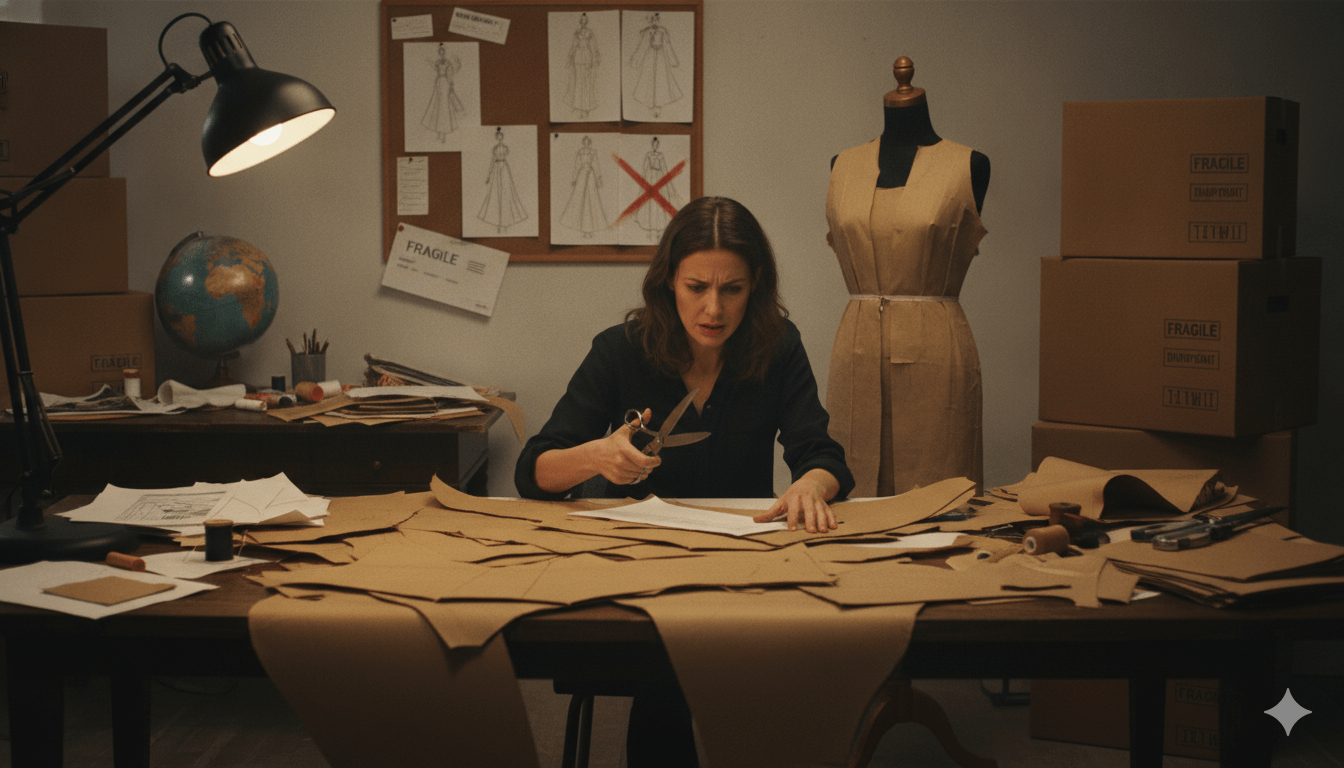
Have you ever looked at a gorgeous sketch on paper and wondered how it becomes a real piece of clothing? For a long time, turning a drawing into a shirt or dress took months of painful work. Designers had to cut paper patterns, sew physical samples, and mail them back and forth across the world. If the fit was bad, they had to start all over again. It wasted a lot of time, money, and fabric.
Today, things are completely different. The rise of fashion apparel design software has turned the garment industry into a digital playground. Now, anyone can design beautiful clothes right on a computer or tablet. You can build a 3D model of a jacket, test how the fabric moves, and fix the fit before you ever cut a single piece of real cloth. Whether you are a student making your very first collection or a big brand selling items globally, this digital toolkit changes everything. Let us dive in and explore how this incredible technology can transform your creative process.
What Exactly is Fashion Apparel Design Software?
At its core, fashion apparel design software is a digital program that helps you create, change, and perfect clothing items. Think of it as a virtual design studio that lives inside your computer screen. Instead of using colored pencils and heavy paper, you use digital brushes, smart lines, and 3D shapes. These programs do much more than let you draw pretty pictures; they connect your creative ideas directly to the technical side of manufacturing.
Modern software helps you build flat technical drawings, also known as “flats.” It lets you create exact sewing patterns that factories can use to cut fabric. It even lets you wrap digital cloth around a virtual human body to see if the garment fits correctly. By combining art with engineering, this fashion apparel design software ensures that your creative vision looks exactly the same on a real store rack as it did in your mind.
The Power of 3D Digital Garment Simulation
One of the most exciting updates in fashion apparel design software is 3D simulation. In the past, you could only see your designs in two dimensions. If you drew a dress from the front, you had to guess how it would drape or fold in the back. Now, programs like CLO 3D and Browzwear let you see your garments in full 3D from every single angle.
These tools use advanced physics engines to copy the real world. If you choose a heavy denim fabric, the digital garment will look stiff and hold its shape. If you switch the fabric to a light silk, the digital dress will instantly drape softly and flutter when the virtual model walks. This realistic simulation helps design teams spot tight spots or weird folds instantly. It makes the entire design process faster, cleaner, and much more fun.
Key Features to Look For in Design Tools
When you start looking for the perfect fashion apparel design software, the massive amount of options can feel a bit overwhelming. To make the best choice, you should look for a few essential features that will keep your workflow smooth and efficient:
- Vector Drafting Tools: You need clean, sharp lines that you can resize without losing quality. This is vital for making professional tech flats.
- Accurate Pattern Grading: Clothes come in many sizes. Good software helps you scale a pattern up or down automatically from small to extra-large.
- A Rich Fabric Library: The system should include built-in settings for various textures like cotton, wool, knits, and leather so your 3D models look real.
- Tech Pack Generation: A tech pack is the blueprint for your clothes. Your software should easily export measurements, materials, and stitching notes for your factory.
Comprehensive Comparison of Top Fashion Design Tools
Choosing the right system depends entirely on your specific goals, budget, and skill level. To help you navigate the landscape, here is a detailed table comparing the absolute best fashion apparel design software options available right now:
| Software Name | Best For | Main Strengths | Platform Type | Price Range |
| Adobe Illustrator | 2D Flats & Technical Layouts | Industry standard, massive vector toolset, great for print patterns. | Desktop (Mac/Windows) | Monthly Subscription |
| CLO 3D | Photorealistic 3D Simulation | Incredible fabric physics, live fit adjustments, virtual runways. | Desktop (Mac/Windows) | Subscription (Individual & Enterprise) |
| TUKAtech (TUKAcad) | Professional Pattern Making | Highly accurate pattern drafting, grading, and fabric nesting. | Desktop (Windows) | Monthly Rental or Purchase |
| StyTrix | AI-Driven Concepts & Ideation | Rapid sketch-to-image conversion, instant fabric pattern testing. | Cloud-Based Web App | Free Tier & Paid Plans |
| Browzwear (VStitcher) | Enterprise Brand Production | Deep integration with PLM systems, amazing material analysis. | Desktop / Enterprise Cloud | Custom Enterprise Quotes |
How AI is Transforming the Design Workflow
Artificial intelligence is no longer a futuristic dream; it is actively changing how we use fashion apparel design software today. New AI-powered platforms can take a simple text description or a rough pencil sketch and turn it into a realistic image of a garment in seconds. This allows you to explore twenty different style variations before you spend hours drafting a single formal line.
Furthermore, advanced AI tools like fashionINSTA can actually look at a concept drawing and generate a production-ready sewing pattern from it. This eliminates days of tedious math and layout work. Instead of replacing human creativity, these smart updates in fashion apparel design software act as a tireless assistant, handling the repetitive tasks so you can focus entirely on your unique style.
The Crucial Role of CAD and Tech Packs
While beautiful 3D images are fantastic for marketing, the fashion world cannot run without computer-aided design (CAD) precision. Factories cannot sew a pretty picture; they need exact instructions. This is where your fashion apparel design software becomes an essential business tool. The software tracks every measurement down to the millimeter.
When your design is complete, the program bundles all this data into a master document called a tech pack. This pack includes your bill of materials (BOM), stitch types, zipper sizes, and placement details. By generating an accurate tech pack straight from your digital canvas, you prevent costly communication errors with your factory. This keeps your production running smoothly, saves your budget, and builds deep trust with your manufacturing partners.
Sustainability and Reducing Material Waste
The traditional clothing industry has a massive waste problem. Companies often sew five or six physical prototypes for a single jacket just to get the fit right, throwing away the rejected fabric. Using high-quality fashion apparel design software is a massive win for our planet because it lets you test everything digitally.
Virtual prototyping allows brands to slash their physical sampling needs by up to 60% or more. You can adjust the length of a sleeve, move a pocket, or change a collar style on your screen without wasting a single scrap of cotton or polyester. By switching to a digital-first workflow, independent designers and global fashion houses can significantly reduce their carbon footprint while keeping their business lean and green.
Tips for Beginners Starting Their Digital Journey
If you are completely new to fashion apparel design software, the massive boards, menus, and 3D windows can look scary at first. Don’t worry! Every top professional started exactly where you are standing right now. The secret to success is to take tiny, steady steps every day.
Start by mastering 2D flat sketches in a basic program like Adobe Illustrator or a friendly web tool. Learn how lines connect and how seams function in the real world. Once you feel confident with flat shapes, move into a 3D environment like CLO 3D or StyTrix. Use the free video tutorials available online, build simple t-shirts first, and celebrate your small wins as your digital confidence grows.
The Future of Digital Apparel and E-Commerce
The impact of fashion apparel design software reaches far beyond the factory floor. It is changing how people buy clothes online. Today, brands use their digital design assets to create virtual fitting rooms on their websites. Shoppers can create a personal avatar that matches their body shape to see if a dress will fit before buying it.
Some forward-thinking fashion houses even use these digital models to sell clothes before they are actually manufactured. They upload the realistic 3D renders to their online store, collect customer orders, and then sew the exact amount needed. This modern approach eliminates unsold inventory completely, proving that mastering digital tools is the ultimate way to future-proof your fashion career.
Conclusion: Choose Your Tool and Start Creating
The fashion world is moving fast, and digital tools are leading the charge. Investing time into learning fashion apparel design software is the best way to bring your creative dreams to life with speed, accuracy, and sustainable practices. Whether you want to draft perfect technical patterns or build jaw-dropping 3D runways, there is a tool waiting for you. Pick the software that matches your current budget and goals, download a trial, and start creating your custom digital collection today!
Frequently Asked Questions (FAQs)
Can I use fashion apparel design software on a regular laptop?
Yes, you can run basic 2D design tools and web-based AI apps on most standard laptops. However, if you plan to use advanced 3D simulation tools, you will need a laptop with a dedicated graphics card and a fast processor to handle the fabric physics smoothly.
Do I need to know how to sew to use these programs?
While you do not need to be a master tailor, having a basic understanding of garment construction is incredibly helpful. Knowing how panels connect and where seams go will help you create realistic digital patterns that can actually be manufactured.
Are there any good free options for beginners?
Absolutely! Platforms like StyTrix offer fantastic free tiers for AI-powered design ideation and pattern testing. Additionally, professional programs like CLO 3D offer generous free trials so students can learn the system before committing to a paid plan.
What is a tech pack and why does my software need to make one?
A tech pack is a comprehensive instruction manual for your garment. It tells the factory exactly how to build your item, listing measurements, fabrics, and stitching types. Good design software creates this automatically to prevent mistakes during production.
How does 3D garment software help the environment?
It allows you to test the fit, drape, and look of your clothing items on a virtual model. This means you do not have to sew multiple physical prototypes, saving thousands of yards of fabric from going straight into landfills.

Leave a Reply